

If you’re reading this, chances are you consider yourself an animal lover. Most of us would never intentionally harm an animal, but what if some of our everyday habits were doing just that?
From the products we buy to the way we care for our pets, small, seemingly harmless choices can have unintended consequences for wildlife, farm animals, and even the pets we share our homes with.
The good news? Once you know the impact, most of these habits are surprisingly easy to change! Here are seven simple ways you can make your daily life a little kinder to animals.
1. Feeding Bread to Birds

You’ve likely seen a person lovingly tossing bits of bread to the feathered residents of the local pond. On the surface, this seems like a harmless way to interact with wildlife. However, the reality is a bit more bleak.
Bread fills ducks up without providing the nutrients they need, and a diet that’s too heavy in bread can contribute to malnutrition. Any uneaten bread left behind can also pollute the pond as it decomposes, encouraging algae growth and reducing water quality for fish, amphibians, and other wildlife.
A better option: If you’d like to feed the birds, choose oats, peas, chopped lettuce, corn, or duck feed. Or simply enjoy observing them in their natural habitat.
2. Letting Your Cat Outdoors

Many well-intentioned people let their cats go outside for enrichment and exercise. While these are two very important aspects of cat care, the potential consequences of allowing your cat to free-roam outdoors greatly outweigh any benefits.
Even well-fed cats have the natural instinct to hunt wildlife, such as birds, reptiles, and small mammals.
Outdoor life poses significant risks to your cat’s safety as well. Cars, diseases, predators, poisons, and harsh weather all shorten their average lifespan.
A better option: The simplest option is to keep your cat indoors. But if your furry friend insists upon outdoor access, build a secure outdoor “catio” (click here for catio building instructions) or take them outside on a harness if they enjoy exploring (click here for leash training guide).
3. Eating Gelatin

Many people don’t realize that their favorite fruity candy is actually made from boiling the skin, bones, and connective tissue from cows and pigs.
Gelatin can also be found hiding in other foods that you wouldn’t expect, such as marshmallows, sour cream, low-fat yogurt, and certain frosted cereals.
A better option: Check ingredient labels for gelatin, especially on candies and desserts. Some animal-free alternatives to gelatin include: agar-agar (derived from seaweed), pectin (found naturally in fruit), or carrageenan.
4. Releasing Balloons

Balloon releases can be a beautiful display of celebration or remembrance.
The problem is that every balloon eventually falls back to Earth.
Marine animals, birds, and turtles frequently mistake balloon fragments for food, which can lead to choking or intestinal blockages, while the attached ribbons can become wrapped around an animals limbs or even neck.
A better option: Celebrate with bubbles, flower petals (like these), biodegradable confetti (like this), or tree-planting events that create lasting memories without harming wildlife.
5. Using Pesticides in Your Yard

Many people turn to pesticides to manage issues with bugs in their homes or gardens, however many of these pesticides don’t distinguish between harmful insects and beneficial ones.
Bees, butterflies, ladybugs, and countless other insects are essential pollinators and play critical roles in various ecosystems. Many pesticides can harm these species directly or contaminate the plants they depend on.
A better option: Plant native flowers to encourage natural predators like ladybugs (who love to munch on aphids, mealybugs, and mites!). Try to only use chemical treatments as a last resort.
6. Buying Products Made with Unsustainable Palm Oil

Palm oil is found in thousands of products, from cookies and chocolate to shampoo and soap.
The issue isn’t palm oil itself. It’s how it’s sometimes produced.
In some regions, tropical rainforests are cleared to make room for palm plantations, destroying habitat for orangutans, pygmy elephants, Sumatran tigers, and countless other species.
However, there are companies that are committed to producing palm oil in a way that is sustainable and causes the least amount of damage possible.
A better option: When possible, choose products from companies that use certified sustainable palm oil. You can use a website or app like PalmOil Scan to check whether the products you use are sustainably sourced.
7. Buying Pets from Large Chain Pet Stores
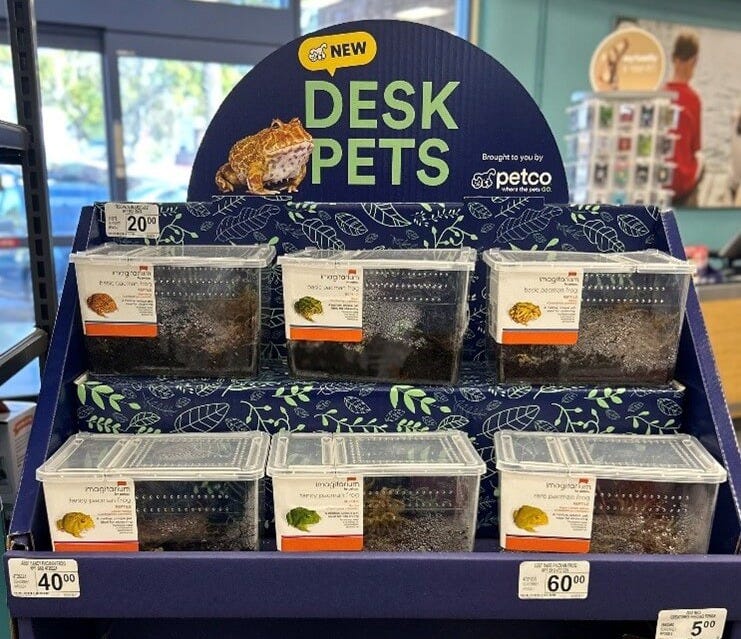
Many of the pets sold in large corporate pet stores are exotic animals with highly specialized needs that are difficult to meet in a typical household. Some are captured from the wild, while others are bred in facilities that prioritize profit over animal welfare. If you think the animals are kept in poor conditions at the stores, the breeding facilities that supply them to the stores are far worse.
This article by The Dodo (Warning: Graphic!) describes the awful sight that an undercover informant for PETA witnessed at one of these facilities.
A better option: Adopt from a local animal shelter or rescue whenever possible. Many people don’t realize that shelters and rescues also care for rabbits, guinea pigs, hamsters, rats, birds, lizards, snakes, and other small animals! By adopting instead of buying from a pet store, you're not only giving an animal a second chance, you also help reduce the demand that incentivizes companies to continue breeding and selling more animals for profit.
Check out PetFinder.com to find adoptable animals of all shapes and sizes in your area!
Small Changes Can Make a Big Impact
Helping animals doesn’t always require donating thousands of dollars or starting your own animal sanctuary. It’s often the small decisions we make every day that have the biggest collective impact.
Choosing more ethical products, keeping pets responsibly, and thinking twice before following common traditions can protect countless animals over a lifetime.
None of us gets everything right all the time, and that’s okay! The goal isn’t to be perfect. It’s to make better, more informed choices.